Local SEO Software: Are You Paying for Tools You Don’t Know How to Use?
1 month ago
If you are a small business owner in India, chances are you have already been pitched a dozen digital tools that promise to improve your Google rankings, bring in local leads, and make your brand easier to find online. The problem is that many MSMEs end up paying for software before they fully understand what it actually does. That is where things start going wrong. You buy a dashboard, log in twice, feel overwhelmed by graphs and terms, and then quietly stop using it.
This is exactly why the conversation around local SEO software needs to be more practical. Most business owners do not need more reports. They need better visibility, more relevant enquiries, and a clearer path to getting discovered by customers in their own city. Whether you run a coaching centre in Ahmedabad, a salon in Pune, a fabrication unit in Thane, or a diagnostic lab in Surat, the goal is not to collect subscriptions. The goal is to get found by the right people at the right time.
If your business is already spending on digital tools but not seeing local enquiries improve, this is a good time to contact us and understand what should actually be working for you.
Why So Many MSMEs Buy Tools They Barely Use

A lot of software gets sold on aspiration. It sounds smart, advanced, and necessary. You are told you need rank trackers, audit tools, review dashboards, citation management platforms, and competitor analysis suites. In theory, all of that sounds useful. In reality, many MSMEs do not have the internal team, time, or process needed to turn those tools into outcomes.
This is especially true when the business owner is already wearing five hats. You are managing operations, customers, vendors, staff, cash flow, and growth. Now add a complicated SEO tool on top of that. Instead of helping, it becomes one more thing sitting unused in your stack.
The issue is not always the tool itself. Often, it is the mismatch between the tool and the stage of the business. A local bakery with one outlet does not need the same setup as a multi location retail brand. A consultant working in one city does not need enterprise-level reporting. Yet many people end up buying expensive subscriptions because they feel they should, not because the tool matches their real needs.
That is where many businesses start confusing activity with progress. Just because you have signed up for paid SEO tools does not mean your local search presence is improving. And just because a tool shows a hundred warnings does not mean all those warnings matter equally to your business.
Before You Buy Anything, Understand How Local SEO Works
Before you spend money, you need to understand how local SEO works in the first place. Local SEO is about helping your business appear when nearby users search for relevant services. When someone types “best CA near me,” “skin clinic in Andheri,” or “corporate training company in Mumbai,” Google tries to show results that are relevant, trustworthy, and geographically close.
That means your visibility depends on a few core things. Your Google Business Profile needs to be properly set up and active. Your website should clearly mention what you do and where you do it. Your business name, address, and phone number should be consistent across platforms. Your reviews should be genuine and recent. And your website content should reflect local intent, not just generic service descriptions.
This is the heart of how local SEO works. It is not magic. It is not just about stuffing city names into your website. It is about sending the right trust signals to search engines and making it easier for real customers to choose you.
What Local SEO Software Should Actually Help You Do
Good local SEO software should simplify your work, not complicate it. It should help you spot issues you can act on and show whether your local visibility is improving over time. For most MSMEs, that usually means support in a few practical areas.
First, it should help you monitor your local search presence. Are you showing up for important keywords in your area? Are your listings complete? Are there inconsistencies in your business information online?
Second, it should support review management in a manageable way. Reviews matter a lot for local trust. If a tool helps you track, respond to, or improve review collection, that is useful.
Third, it should help you check basic website issues. This is where an SEO tools checker can be helpful. You do not need an endless technical report. You need to know whether your page titles are missing, whether your site is too slow on mobile, whether your contact page is clear, and whether your location pages are actually indexable.
Fourth, it should help with local listing accuracy. Many businesses are listed differently across Justdial, Google, Facebook, and other directories. Even small inconsistencies can affect trust. A practical tool should help you spot and fix those.
And finally, it should present data in a way that does not require a digital marketing degree to understand.
Signs You Are Paying for the Wrong Tool
A wrong fit usually becomes obvious very quickly. If you are looking at dashboards and still cannot tell what to do next, the tool is probably not serving you. If your team avoids logging in because it feels too technical, the tool is not helping. If you are paying monthly but relying entirely on guesswork for your next step, you are not getting value.
Another warning sign is when a tool gives you too many generic recommendations. For example, it may flag hundreds of issues that matter very little to your local business while ignoring the bigger problem, such as poor location targeting, weak reviews, or thin service pages. This is common with broad audit platforms that are not tailored for small businesses.
You should also be cautious if you bought the software because someone said every serious business needs it. That kind of advice sounds convincing, but it ignores context. A business with one branch in Rajkot needs a very different setup from a digital-first chain brand with offices in six cities.
Sometimes, even paid SEO tools become a problem because they create pressure to justify the subscription. Instead of asking whether the tool is useful, the business starts forcing itself to use it just because it is already paying for it.
What MSMEs in India Usually Need First
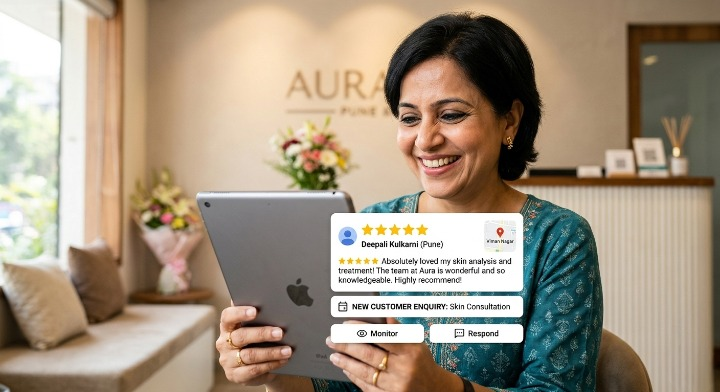
For most Indian MSMEs, the basics still create the biggest gains. Before going deeper into automation or premium analytics, get these foundations right.
Start with your Google Business Profile. Make sure the business name, categories, contact details, service areas, images, and working hours are correct. Add real photos, not only stock visuals. Keep it active with updates when possible.
Next, clean up your website. Your homepage should clearly say what you do, who you serve, and where you are based. Your service pages should not sound generic. If you serve multiple cities, create meaningful location pages rather than cloning the same content and swapping city names.
Then look at reviews. Encourage satisfied customers to leave honest feedback. A clinic in Borivali, a tuition class in Vadodara, or a B2B machinery supplier in Ahmedabad all benefit when prospects can see proof that others trust them.
After that, use an SEO tool checker to identify only the most practical fixes. You do not need to solve everything at once. Focus on pages that drive business. Focus on visibility that supports enquiries. Focus on the fixes that improve user experience and local relevance.
This is also why local SEO software should come after clarity, not before it. A tool works best when you already know what you are trying to improve.
Free and Paid SEO Tools MSMEs Can Actually Use
At this point, the question becomes simple. If you were to use local SEO software, what should you actually start with?
Instead of throwing a long list at you, here is a practical stack that works for most MSMEs in India without overwhelming your team.
Start With Free Tools That Cover the Basics
Before you spend on anything, these tools can already give you strong visibility into your local presence.
- Google Business Profile is your most important local asset. It directly impacts how you show up in map results. Keep it updated, respond to reviews, and track how customers are finding you.
- Google Search Console helps you understand what people are searching for before they land on your website. You can see which queries bring impressions and clicks, which is critical to understanding how local SEO works in your context.
- Google Analytics tells you what happens after someone visits your site. Are they staying? Are they dropping off? Are they filling your contact form?
- A basic SEO tools checker like Ubersuggest can help you identify missing page titles, slow pages, or broken links. Do not try to fix everything at once. Focus only on key pages.
For many MSMEs, this setup is enough to get started. You do not need to rush into subscriptions yet.
When Paid SEO Tools Start Making Sense
Once your basics are in place and you want to scale or save time, that is when paid SEO tools can help.
- Local listing management tools help you keep your business information consistent across platforms like Google, Justdial, and Facebook. If you operate in multiple cities, this becomes important.
- Keyword and competitor tools can help you understand what businesses in Mumbai, Bangalore, or Ahmedabad are ranking for. This is useful when you are expanding your content or targeting new services.
- Review and reputation tools help you track and respond to feedback in one place, which is important for trust building.
- Rank tracking tools help you see where you stand for searches like “packaging company in Mumbai” or “ACCA coaching near me.”
But here is the key point. Even the best local SEO software will not fix unclear positioning or weak content. Tools amplify what already exists. They do not replace strategy.
A Simple Way to Decide What You Need
If you are still unsure, use this rule.
- If you are struggling with basics like visibility, reviews, or website clarity, stay with free tools.
- If you are clear on your strategy but need better tracking or scale, then explore paid SEO tools.
And if you are somewhere in between, then the smartest move is not buying another tool. It is getting clarity on what to fix first.
Want to know which tools actually make sense for your business stage? Explore our services, and we will help you choose what to use and what to skip.
Why Skillwise Solutions Helps You Use Local SEO Software Better
The biggest mistake most businesses make is thinking they need more tools when what they really need is better direction. At Skillwise Solutions, we work with MSMEs that want practical digital marketing support, not complicated jargon. We help you understand what matters, what does not, and where your time and money should actually go.
If you are trying to improve your local visibility, generate better leads, or clean up a digital setup that feels scattered, we can help you do that with clarity. We do not push software for the sake of looking advanced. We help you build the right base, choose the right systems, and turn your local presence into something that supports real growth. So before you renew another subscription or add another dashboard to your stack, talk to a team that understands both strategy and execution. Contact us or explore our services to see how Skillwise Solutions can help you get more from your local digital presence without wasting money on tools you do not need.